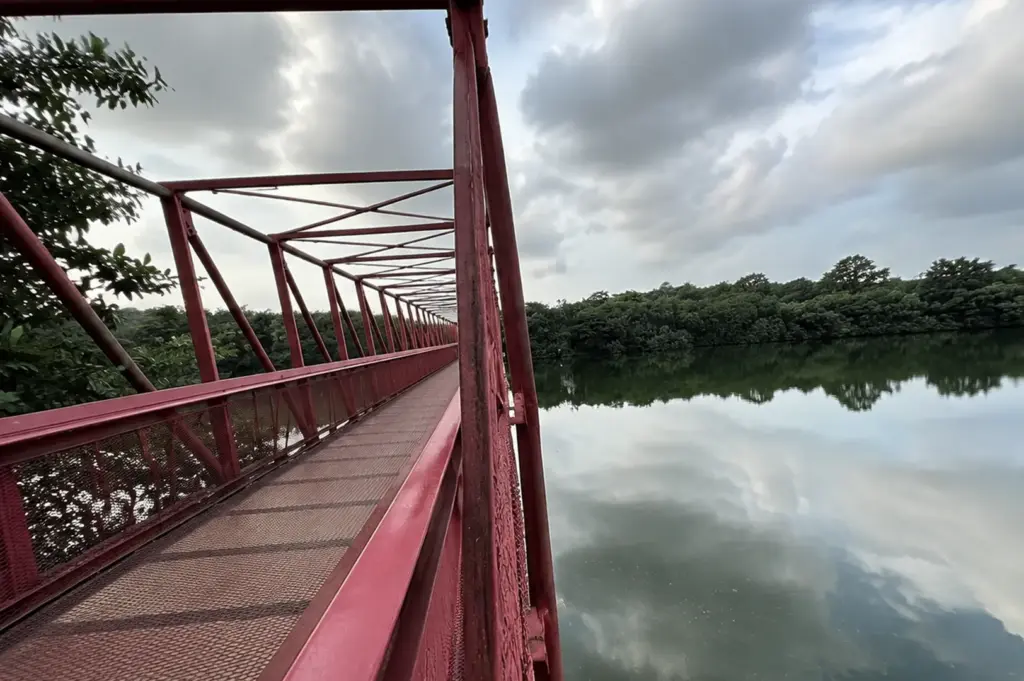
Morning arrives softly in Punggol, carried on a breeze that smells faintly of salt and rain-washed concrete. The light here feels gentler, diffused by water and sky, as if the town is always pausing—listening. Once a quiet fishing village at Singapore’s edge, Punggol now hums with a slower, steadier rhythm. Not rushed. Not loud. Just alive in its own measured way.
I walk along the Punggol Waterway, where reflections ripple like half-remembered dreams. Cyclists pass in murmurs. Children laugh, their voices skipping across the canal. The town feels young, yet rooted—new glass and steel growing from old stories buried in the soil. Time overlaps here. Past and present share the same breath.
Where Water Shapes Memory
Water is not decoration in Punggol; it is character. It curves, divides, and gathers people into its orbit. The waterways stitch neighbourhoods together, turning daily routines into quiet rituals.
Along the paths, you notice small, telling details:
- The rhythm of footsteps on wooden boardwalks
- Sunlight breaking into fragments across the canal
- Kayaks gliding past like commas in a long sentence
This is a place that rewards slowness. Even the HDB blocks seem to lean back slightly, allowing the horizon more room. At sunset, the sky opens wide, brushed with peach and indigo, and the water holds it all without complaint.
A Town Still Becoming
Punggol is always in the act of becoming. Cafés bloom near the waterfront. Families settle into parks that didn’t exist a decade ago. Yet traces of the old Punggol linger—ghosted in place names, in the hush that falls just after dusk.
There’s a reflective quality to this town, a sense that it is quietly watching itself grow. Nights are calmer here. Streetlights hum. The water darkens into ink. You feel held by space—by distance from the city’s sharper edges.
Punggol doesn’t ask to impress. It invites you to notice. To wander. To remember how towns can feel when they grow alongside water instead of away from it.
If this glimpse stirs something—curiosity, nostalgia, a longing to walk slower—there’s more waiting for you. Click here to visit Neighbourhood Photographers to explore deeper visual stories and neighbourhood reflections shaped by light, time, and everyday moments.


