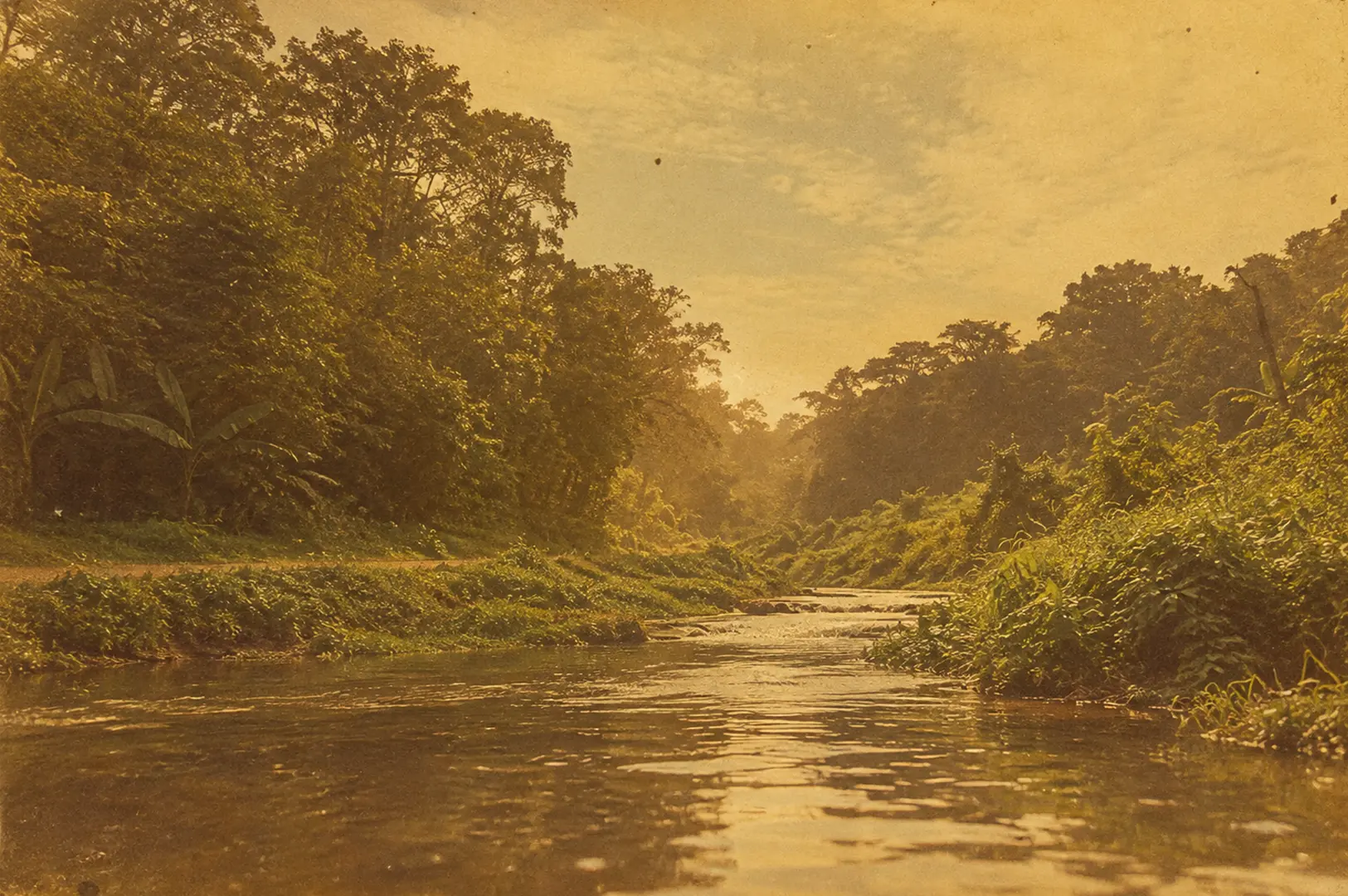
Toa Payoh begins with a whisper of water.
Its name means “big swamp”, a memory held in Hokkien and Malay, though today the town hums with buses, coffee shop chatter, market steam, and the bright rhythm of everyday Singapore. Walk here and you feel time folding gently. The old does not disappear. It leans against the new. It waits under void decks, beside playground mosaics, in the soft shade of rain trees.
This is a Toa Payoh neighbourhood walk for slow eyes and wandering feet.
A Town Built from Memory
Toa Payoh is one of Singapore’s early public housing stories, shaped by HDB into a living model of modern neighbourhood life. Yet it never feels like a museum. It breathes.
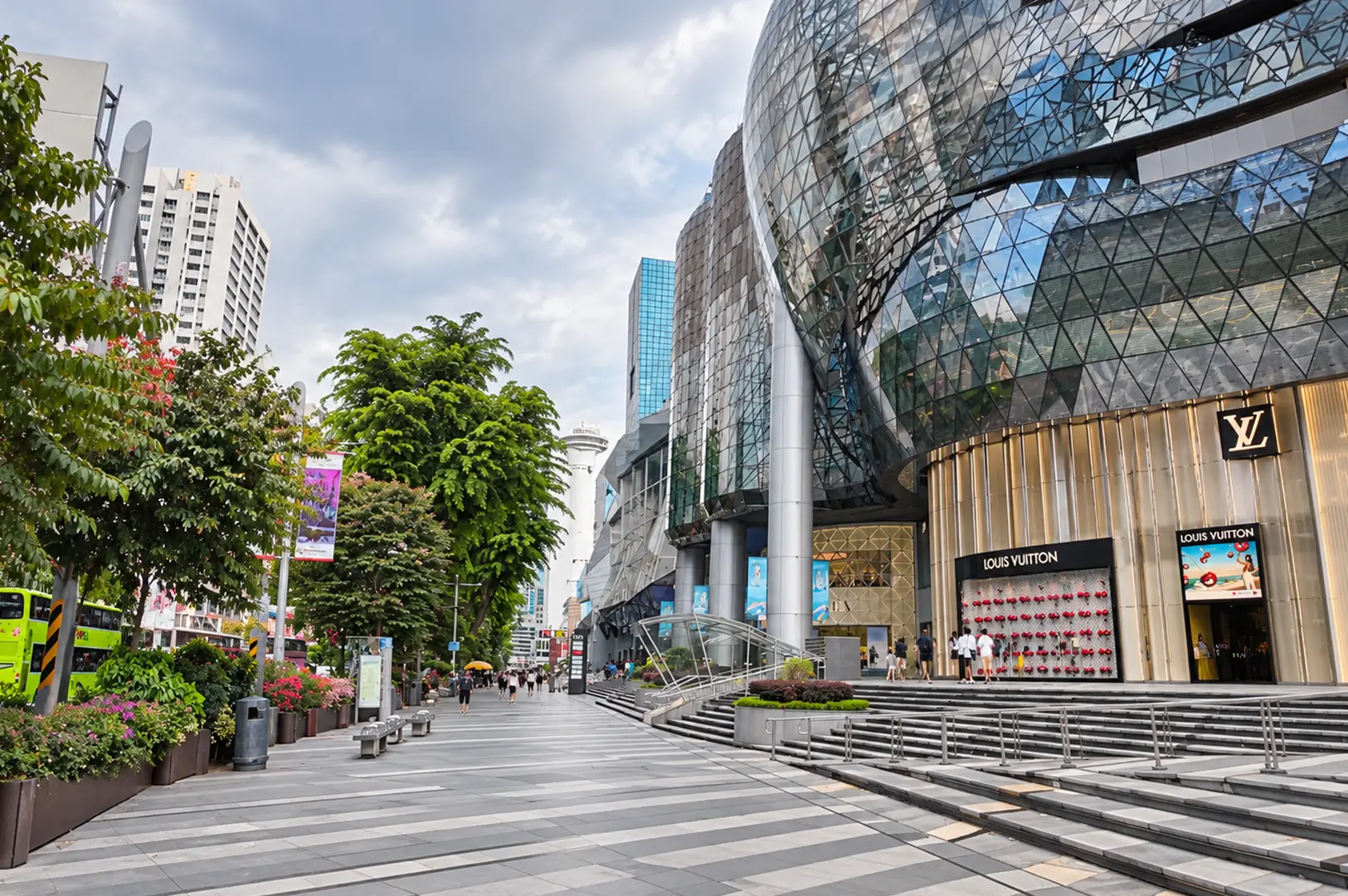
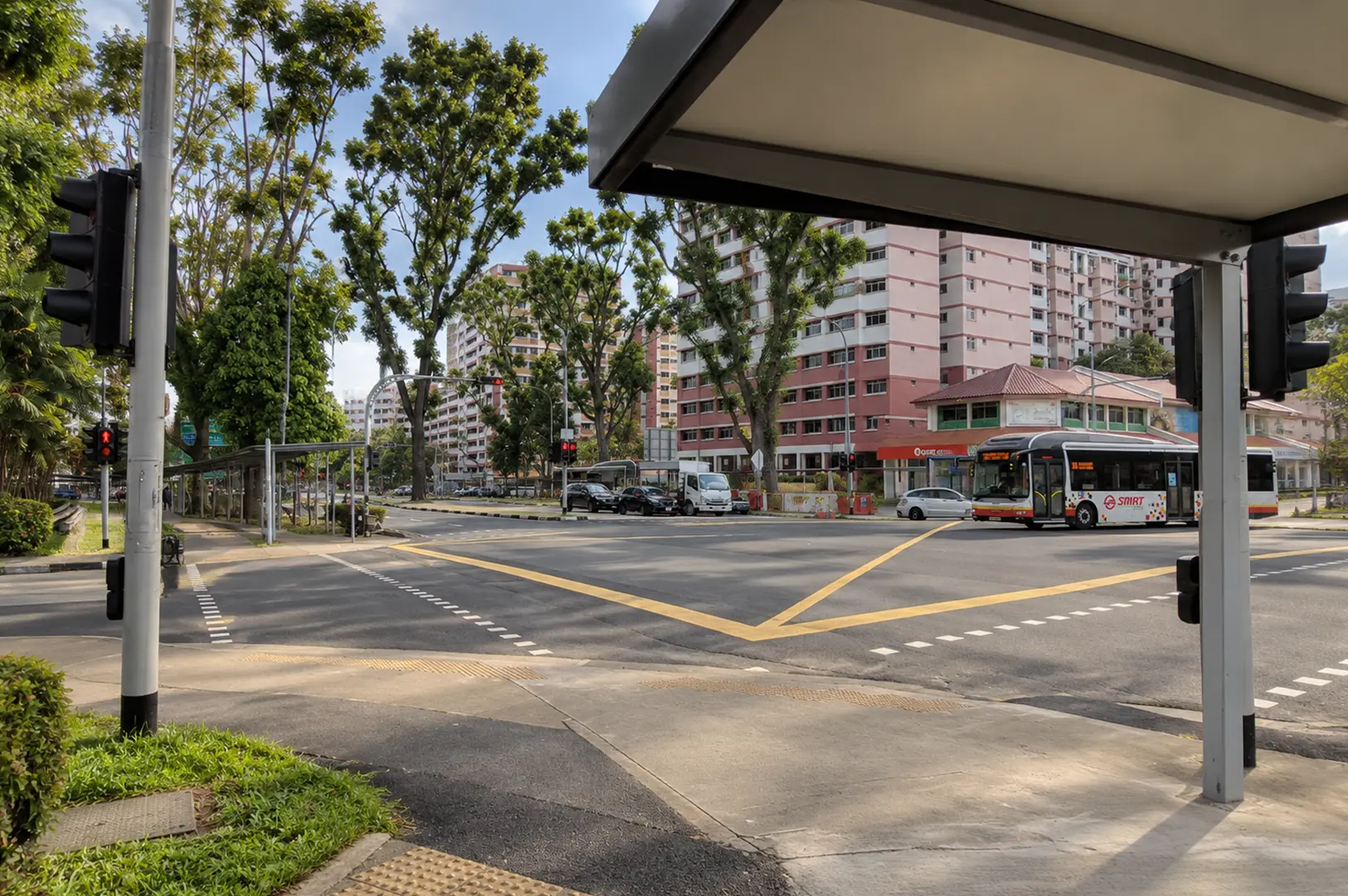
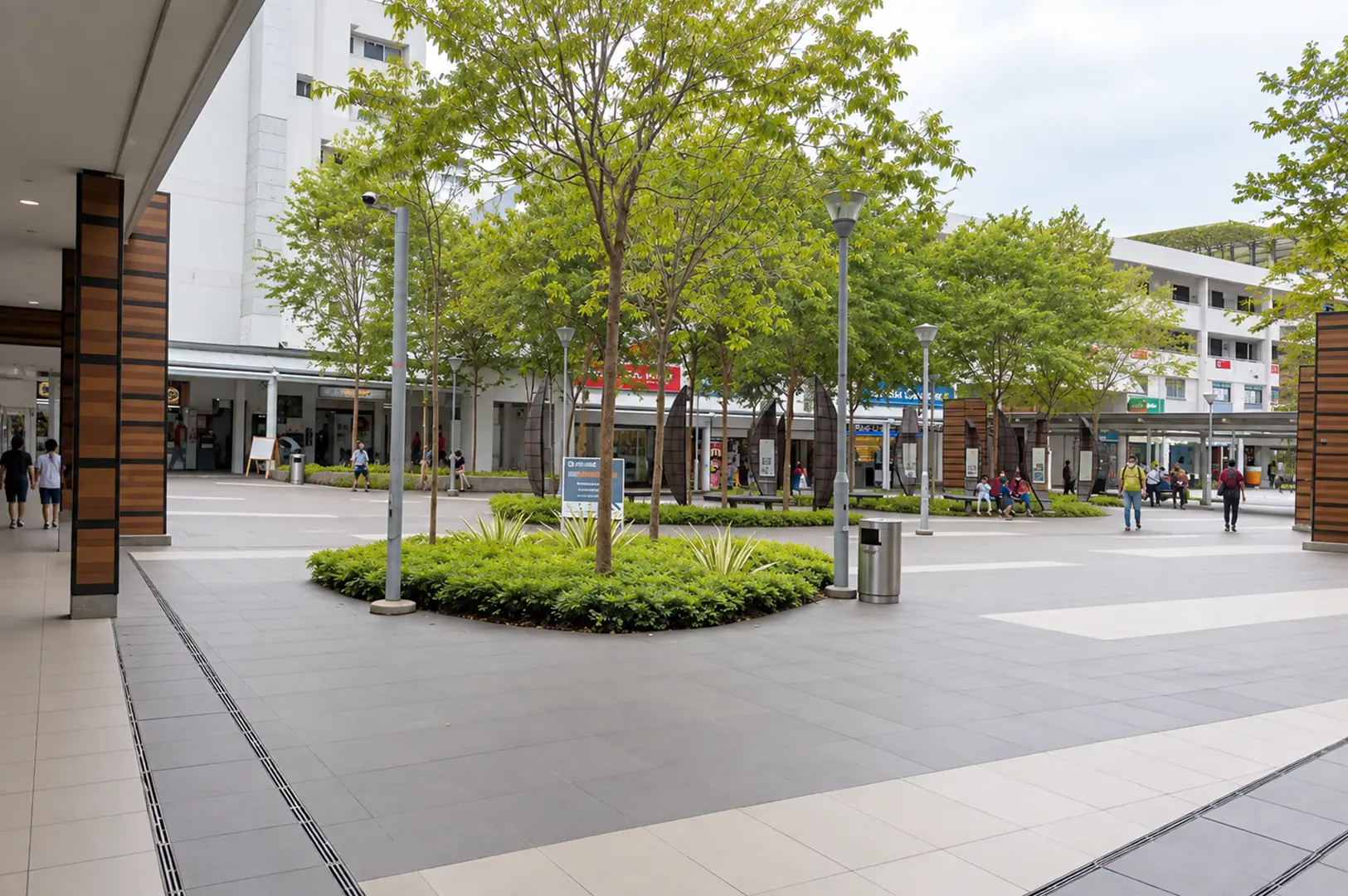
At Toa Payoh Central, the present moves quickly. Trains arrive. Shoppers cross. Aunties carry vegetables in red plastic bags. Office workers drift towards lunch. Above it all, flats rise like familiar pages in a family album.
Here, photography finds its quiet magic in contrast:
- Old tiled corridors beside glassy shopfronts
- Wet market colours under fluorescent light
- Void deck shadows stretching like soft calligraphy
- Seniors resting where children once played
Every frame feels lived in.
The Dragon Still Dreams
No Toa Payoh photo essay feels complete without the beloved Dragon Playground at Lorong 6. Built in 1979, its orange mosaic head and looping body still carry the texture of childhood.
The sandpit glows in the afternoon sun. The dragon does not roar. It remembers.
Children climb. Parents take photos. Older residents glance over with a look that says, “I knew this place before it became iconic.” That is the charm of Toa Payoh. Its landmarks are not distant monuments. They are part of someone’s daily route home.
Green Pauses and Sacred Corners

A short wander brings you to Toa Payoh Town Park, where the 25-metre lookout tower stands like a quiet lighthouse of the neighbourhood. The ponds, bridges, and greenery soften the town’s concrete edges, giving the camera room to breathe.
Then there is Lian Shan Shuang Lin Monastery, completed in 1909. Its carved roofs, red pillars, and temple courtyards hold another rhythm entirely. Incense curls through the air. Time slows. The city steps back.
Why Toa Payoh Stays With You
Toa Payoh is not trying too hard to impress. That is its beauty.
It offers heritage, public housing history, local food, nostalgic playgrounds, and everyday neighbourhood photography in one easy walk. Old meets new here not as a slogan, but as a scene you can stand inside.
So bring your camera. Follow the light. Let the town reveal itself one corner at a time.
For more poetic walks, photo essays, and neighbourhood stories across Singapore, visit Neighbourhood Photographers and click here to keep wandering with us.