Bukit Batok begins with stone.
Not the silent stone of forgotten places, but stone that still holds heat, rain, footsteps, and memory. The name Bukit Batok means “coughing hill” in Malay, often linked to the sound of granite quarrying that once echoed through this western landscape. Today, the noise has softened. In its place, there are MRT tracks, HDB blocks, coffee shops, park paths, and lakes that gather the sky.
This is an estate built from layers. Rock, war, housing, greenery, and daily life all sit close together, like pages in a neighbourhood album.
Where Quarry Walls Become Landmarks
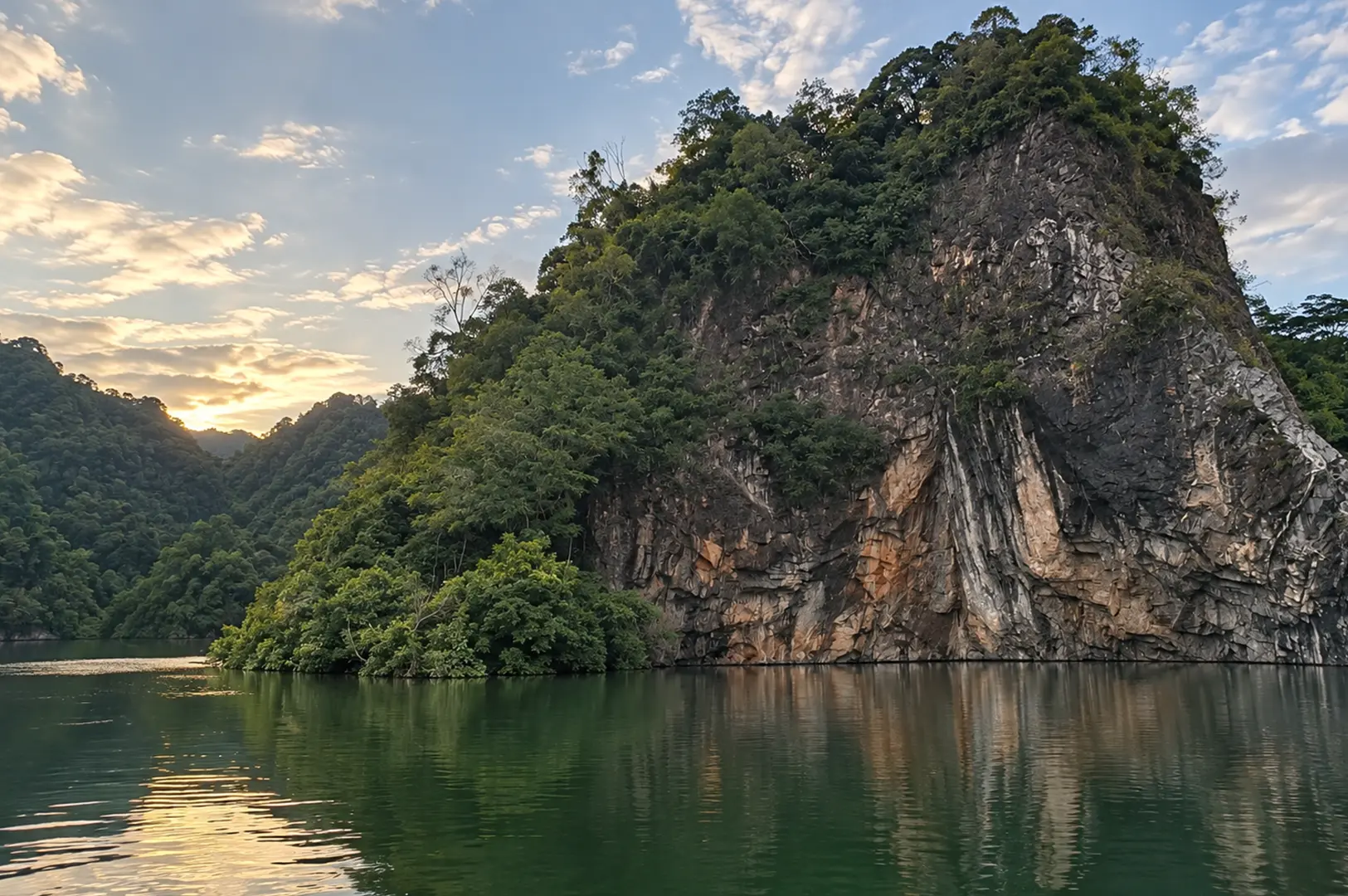
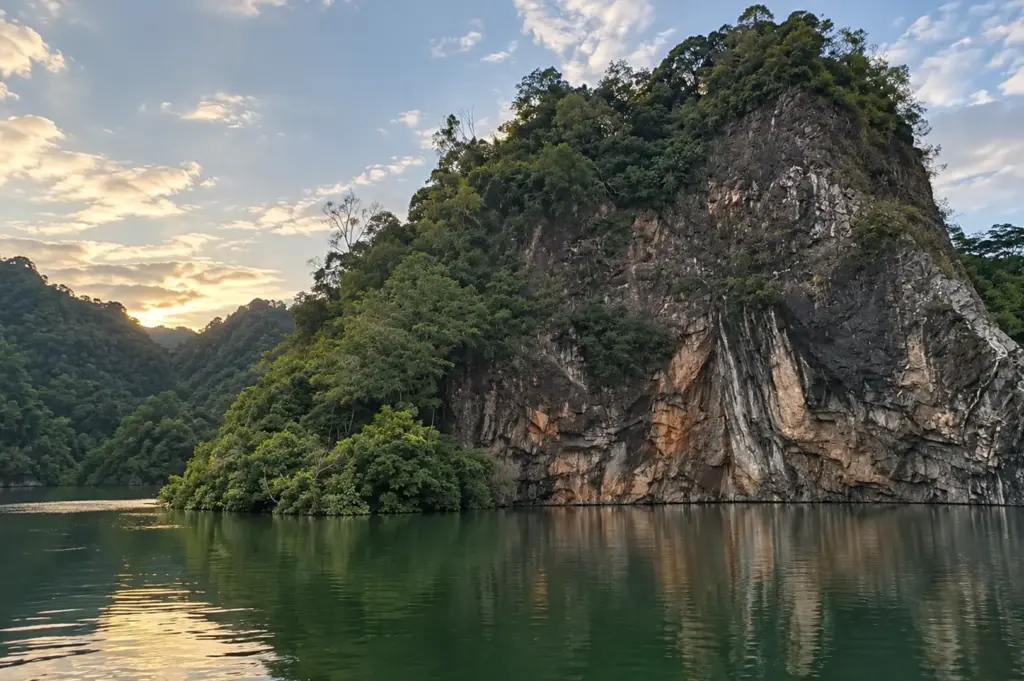
At Bukit Batok Town Park, better known as Little Guilin, the old quarry face rises from the lake like a piece of ink painting made real. The granite cliffs are rugged, almost theatrical, but the water keeps everything calm. Birds skim the surface. Reflections tremble. The stone looks ancient, though the park is also a story of transformation: a former quarry turned into a public landscape.
This is architecture without walls. The landmark is shaped by extraction, weather, planning, and time. What was once industrial becomes scenic. What was once cut open becomes a place where families stroll, couples take photos, and residents pause after dinner to watch the light fade.
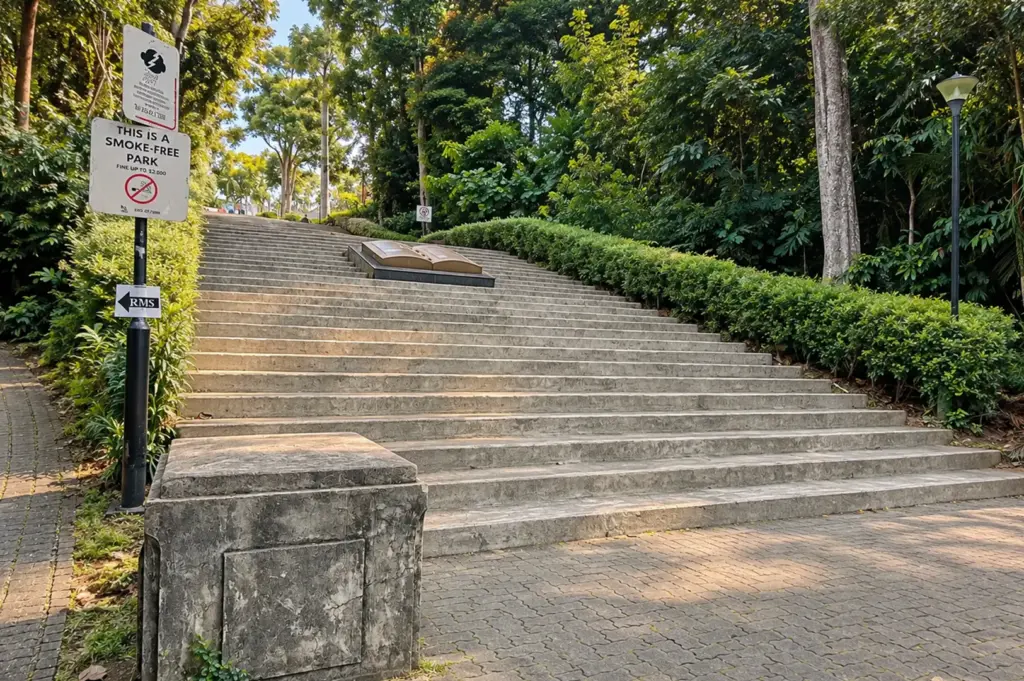
Nearby, Bukit Batok Nature Park carries a quieter weight. Developed in 1988 on another abandoned quarry site, it is all slopes, shade, and still water. The paths curve through thick greenery. The old quarry pool rests like a dark mirror. Then, among the trees, the World War II memorial appears.
Here, heritage does not shout. It stands in silence.
The memorial recalls one of the fiercest battles in Singapore’s wartime history. The surrounding forest softens the scene, but it does not erase it. Wind moves through the leaves. Footsteps slow. The estate becomes more than a place to live. It becomes a keeper of memory.
Where Granite, War, and Home Meet
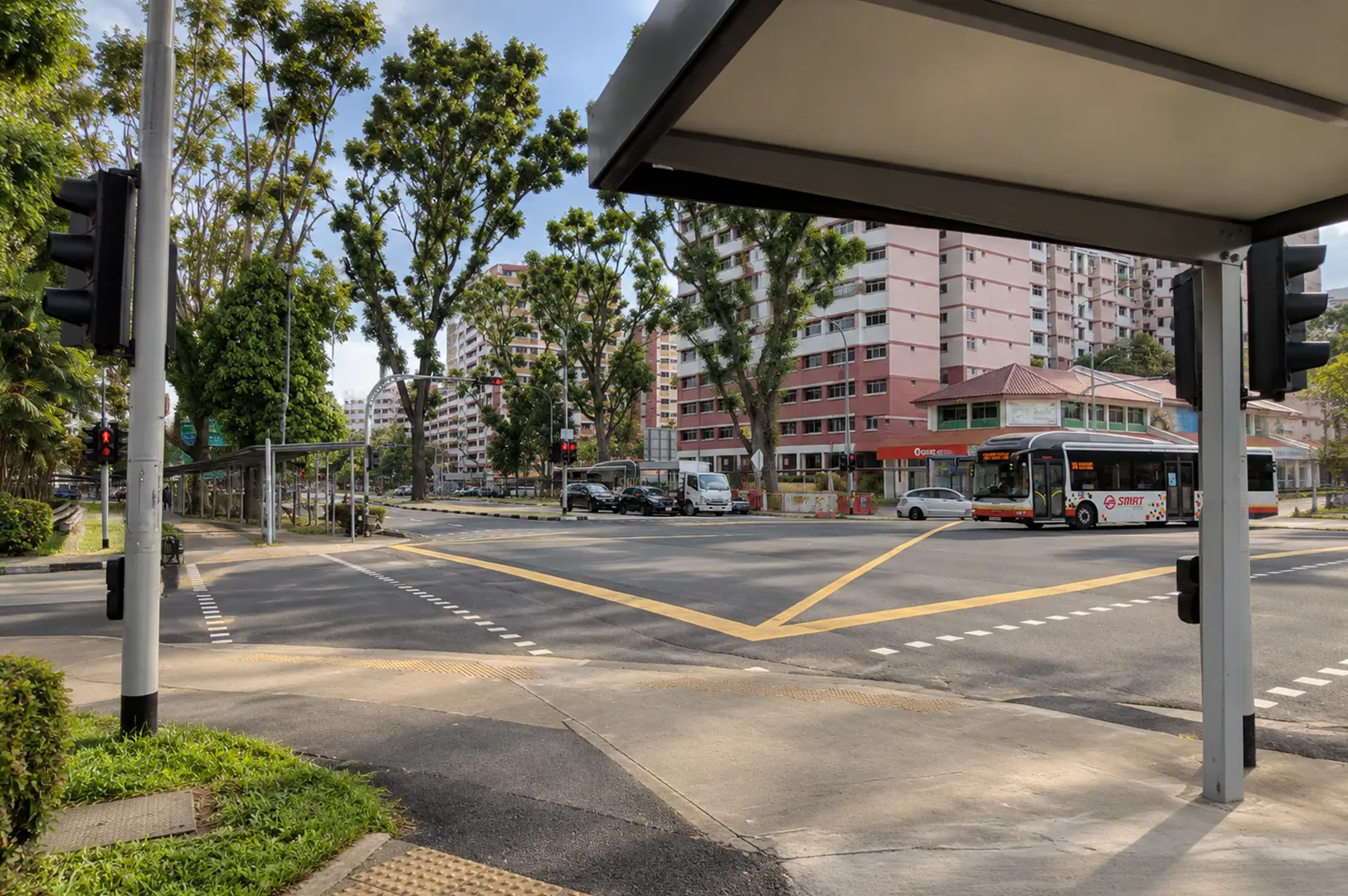
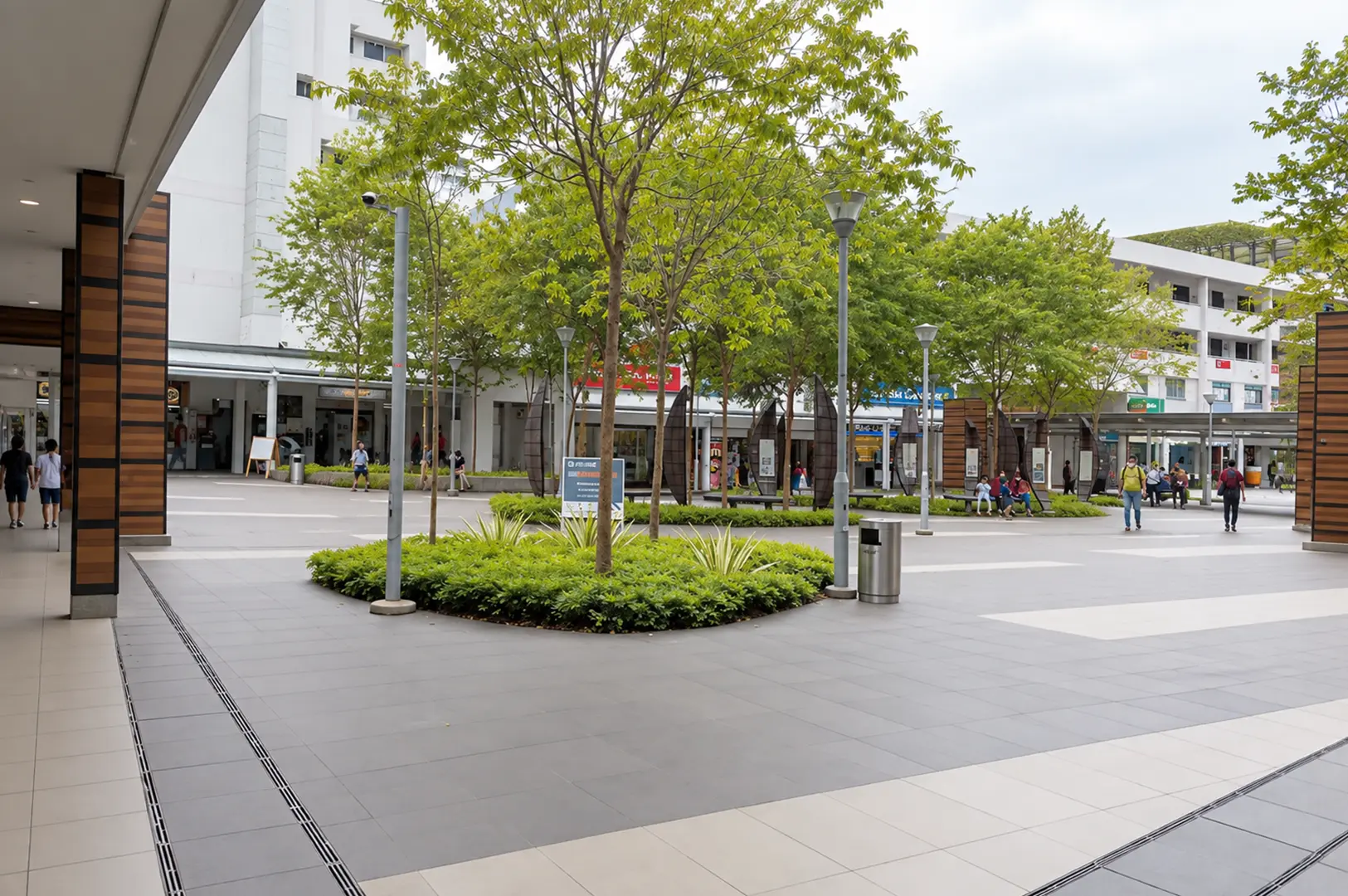
Bukit Batok’s modern shape begins more fully in the 1980s, when major HDB development turns the area into a self-sufficient satellite town. Around Bukit Batok Central, the architecture becomes familiar and human: housing blocks, sheltered walkways, neighbourhood shops, community spaces, and everyday shortcuts worn smooth by use.
These buildings may not look grand at first glance, but they define the estate deeply. A void deck frames afternoon conversations. A lift lobby holds the smell of dinner. A corridor catches golden light. The town’s design gathers people into routines, and routines slowly become belonging.
What makes Bukit Batok heritage so moving is the way its landmarks speak to one another. Little Guilin remembers stone. Bukit Batok Nature Park remembers war and quarrying. The HDB estate remembers the promise of home.
Together, they create a neighbourhood where architecture is not only concrete and form. It is memory made visible.
For more architectural stories, neighbourhood walks, and Singapore places told through light and feeling, visit Neighbourhood Photographers and click here to keep exploring Butik Batok.