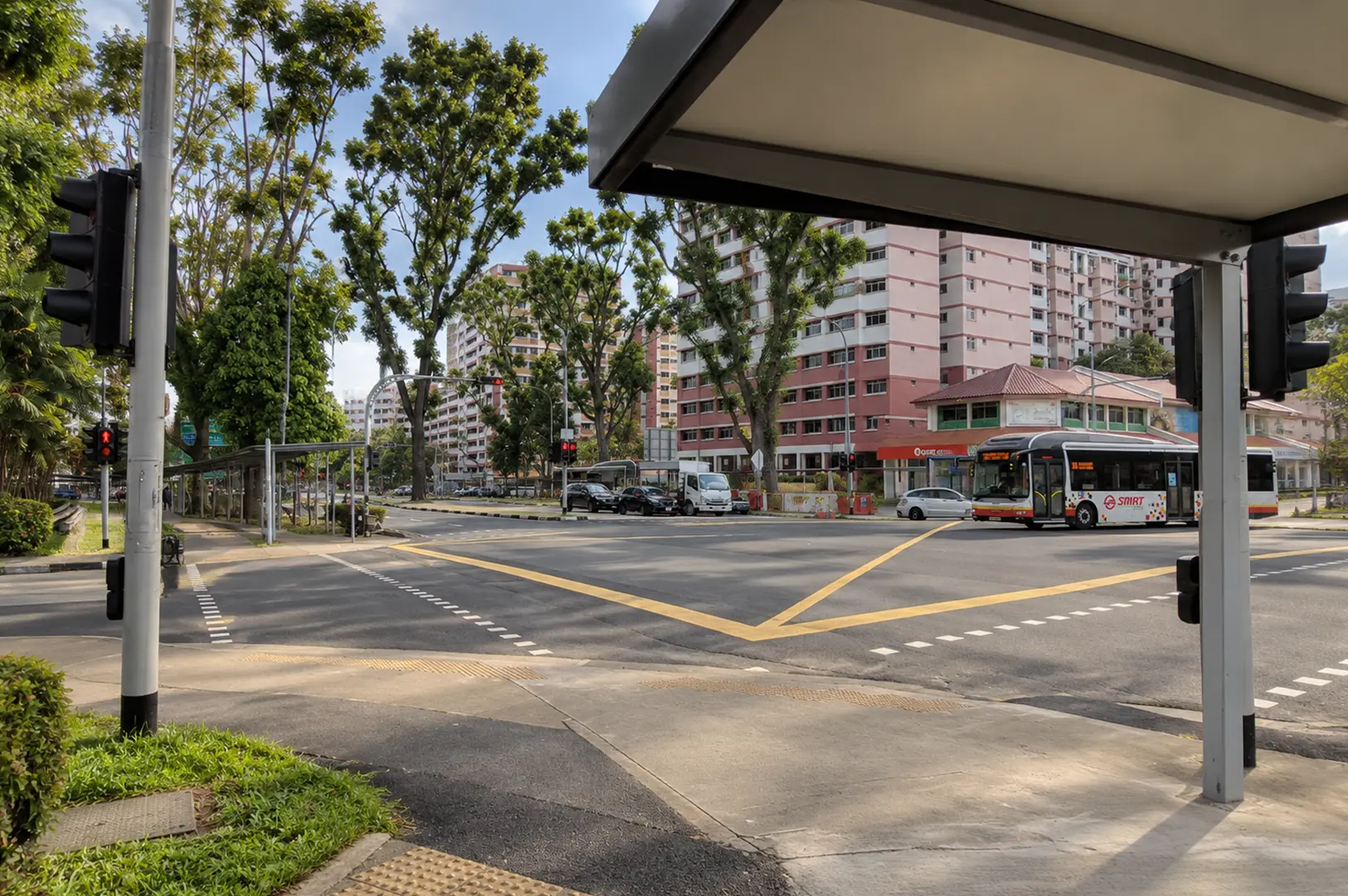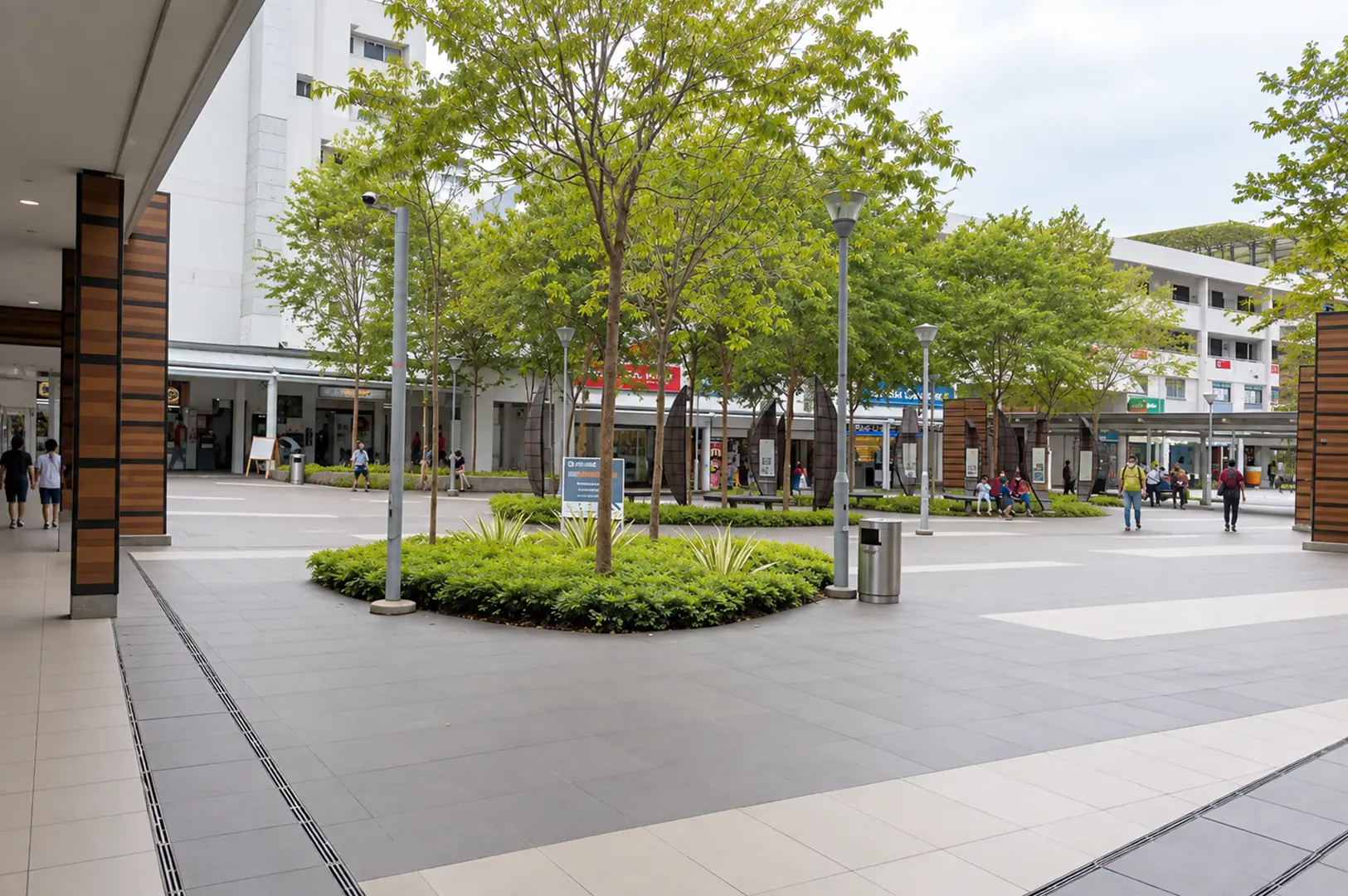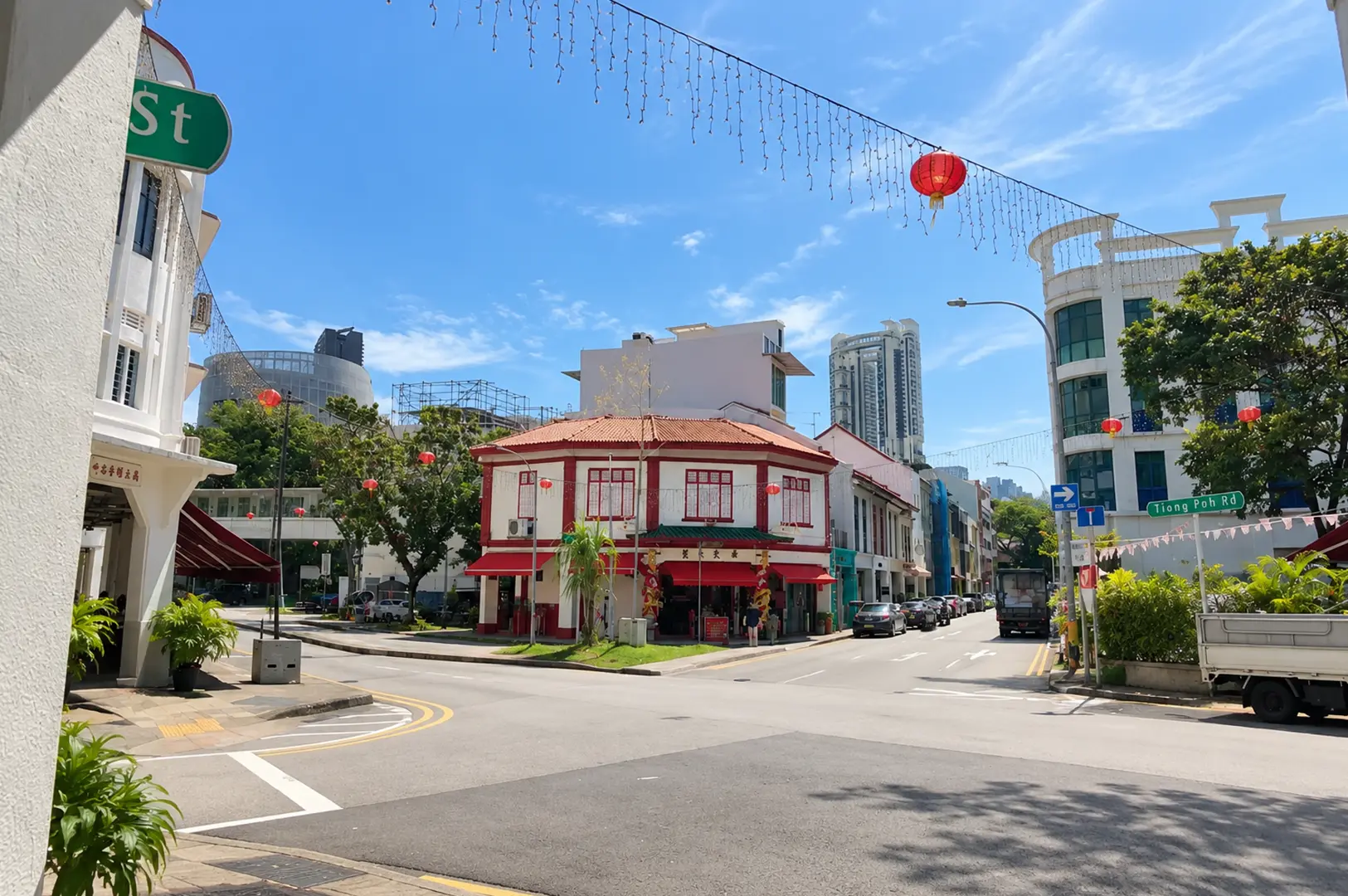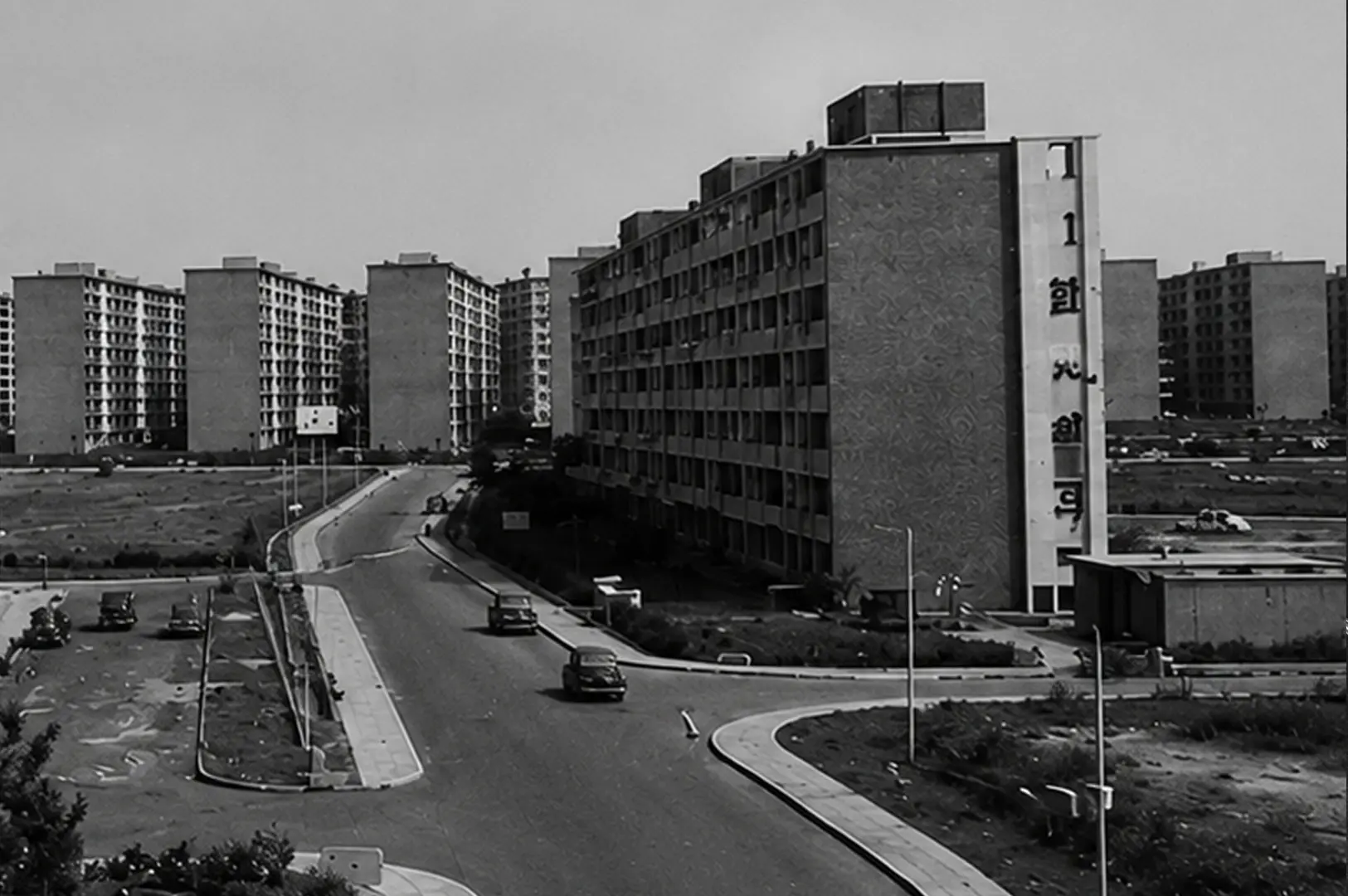
I walk through Queenstown as the afternoon light slips sideways, catching on concrete edges and softening them. Shadows stretch along corridors. The air carries echoes of footsteps layered over decades. This is not just Singapore’s first satellite town. It is a place where architecture learns how to age with dignity.
Queenstown does not rush to explain itself. It reveals its history slowly, through form, proportion, and the quiet persistence of everyday life.
From Colonial Edge to Public Housing Pioneer
Queenstown begins as Princess Margaret Estate in the 1950s, built at a time when Singapore is still learning how to house itself. The land once holds plantations and military grounds. Then comes urgency. People need homes. Quickly, but thoughtfully.
Early blocks rise with confidence. Not tall yet, but deliberate. Staircases are wide. Windows are generous. These buildings are designed for air, light, and rhythm, long before those words become fashionable.
The estate becomes a testing ground for public housing ideas:
- Slab blocks arranged to catch breeze
- Open courtyards that invite gathering
- Ground floors left porous for movement and play
Architecture here is not decorative. It is practical. Human. Intent on shaping community through space.
Blocks That Remember
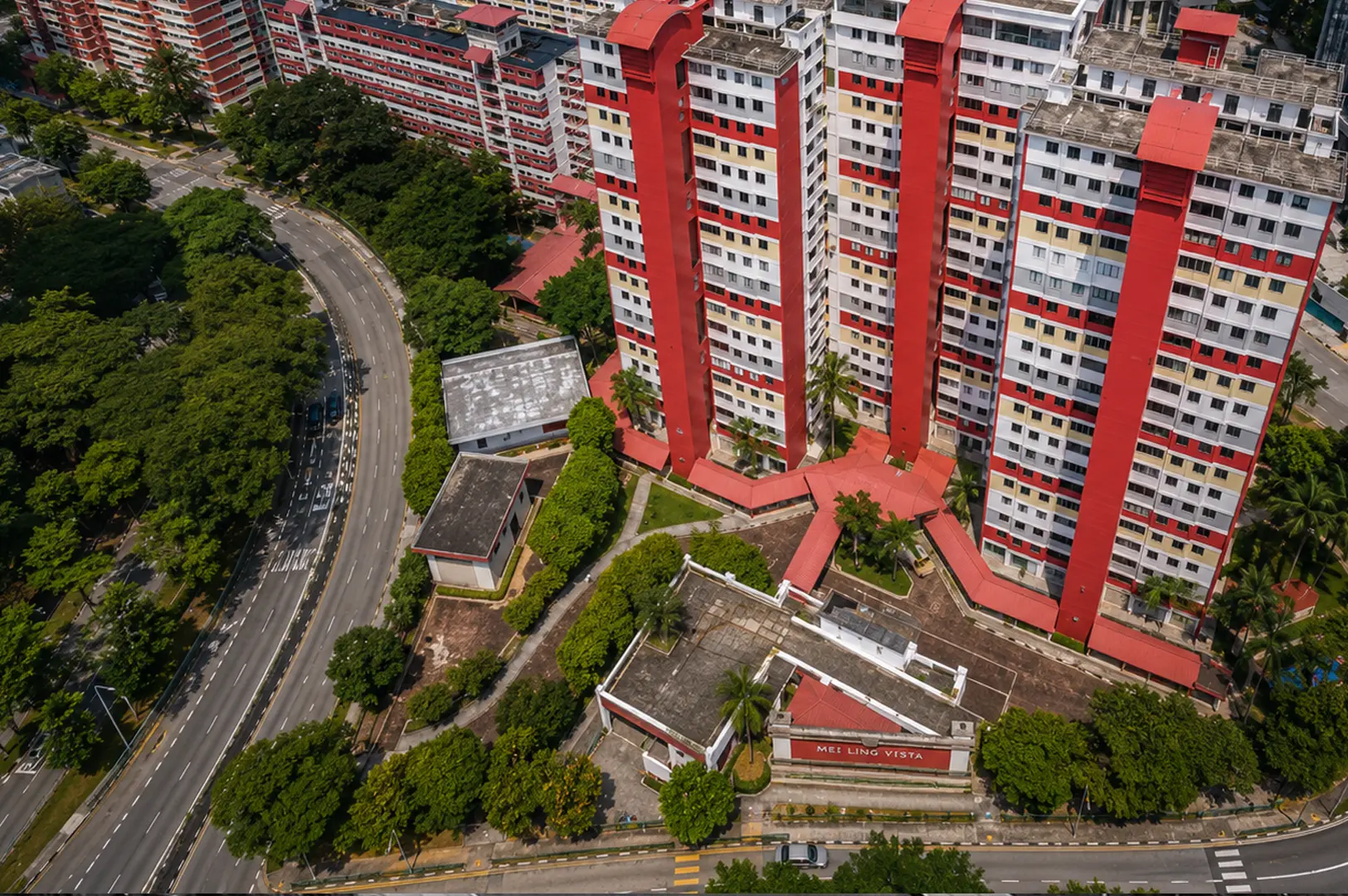
Walk closer and the textures speak. Weathered railings. Terrazzo steps worn smooth by decades of use. The iconic forbidden city–style blocks at Mei Ling Street stand quietly, their geometric façades repeating like a steady heartbeat.
Some buildings lean into the past. Others are renewed through selective redevelopment. Yet even newer forms echo older principles. Orientation still matters. Void decks still breathe. Queenstown teaches continuity through adaptation.
You feel it in how residents occupy space. Chairs outside units. Plants lining corridors. Architecture here encourages extension. Homes spill gently into shared areas, blurring private and public without tension.
A Living Blueprint
Queenstown becomes a blueprint for what follows across Singapore. It proves that housing can be efficient without being cold. Dense without being suffocating. The estate grows older, yes, but also wiser.
Even as the skyline shifts nearby, Queenstown holds its ground. Its buildings absorb time, holding memories in concrete and shadow. This is architecture that understands endurance.
As evening arrives, lights flicker on one by one. The blocks glow softly. The estate exhales. Queenstown reminds us that good design is not loud. It lasts.
If these architectural stories resonate, if you enjoy reading neighbourhoods through form and feeling, there is more waiting. Click here or visit Neighbourhood Photographers to explore stories shaped by structure, memory, and lived-in space.